
Navigation
Install the app
How to install the app on iOS
Follow along with the video below to see how to install our site as a web app on your home screen.

Note: This feature currently requires accessing the site using the built-in Safari browser.
More options

You are using an out of date browser. It may not display this or other websites correctly.
You should upgrade or use an alternative browser.
You should upgrade or use an alternative browser.
The 280 is finally going to get set up.. (1 Viewer)
- Thread starter NorthSide Reef
- Start date

OP
OP

I am looking forward to that meeting although I am so swamped at work these day there is going to a lot of unfinished items when you all show up. Also I will need to say this each time the topic comes up. The room these tanks are in is tiny. VERY TINY lol so be prepared.
So thinking best bet considering the other tank mates is a pink streaked wrasse. pretty small wrasse known for being somewhat peaceful and somewhat related to the six line, which I know eats flatworms. Any experience anyone?
So thinking best bet considering the other tank mates is a pink streaked wrasse. pretty small wrasse known for being somewhat peaceful and somewhat related to the six line, which I know eats flatworms. Any experience anyone?
I had a melunarus wrasse that did wonders for my system maybe a bit to large for this setup. Yellow Corris is in my system now and is supposed to another great natural predator for flat worms. I have only seen mine eat bristle worms so not 100% sure on this. Most of the Halichoeres wrasses are good for flat worms from my research though.
List of Popular Species (by Genus)
Anampses
A. chrysocephalus “Red Tail Tamarin” (female) or “Psych-Head Tamarin” (male): Likely the most popular species of this genus, and can fair well if you pick according to the aforementioned guidelines. Females adapt to captivity better than males.
A. femininus “Blue-Striped Tamarin”: Absolutely stunning, with an equally stunning price tag, when rarely available
A. lennardi “Lennardi Wrasse” or “Blue and Yellow Wrasse”: Almost as beautiful as the A. femininus, but has a more broken pattern. This is cooler water fish, and will not do well above 76F. At this time, long term success with this fish has been non-existent. May require an even cooler environment.
A. meleagrides “Yellow-tail Tamarin”: Very similar to the Red-Tail Tamarin, just with a yellow tail. Same comments apply.
Cirrhilabrus
C. adornatus “Adorned Fairy”: Generally available in the trade, not overly expensive. Is almost always aggressive with other Cirrhilabrus..
C. aurantidorsalis “Orange-Backed Fairy”: Very saturated colors and not overly expensive. Usually peaceful with other Cirrhilabrus.
C. balteatus “Gridled Fairy”: Somewhat rare in the trade, moderately priced. Occasionally aggressive with other Cirrhilabrus.
C. bathiphilus “Hooded Fairy”: Somewhat rare in the trade, expensive but beautiful. Can be somewhat aggressive with other Cirrhilabrus once established, but usually not to the point which will prohibit others.
C. condei “Conde’s Fairy”: Often available, inexpensive. Usually aggressive.
C. cyanopleura “Blue-Sided Fairy”: One of the larger species in the genus (6”). Usually peaceful. There is a great deal of variation within this species depending upon collection region.
C. exquisitus “Exquisite Fairy”: Commonly available, not overly expensive. There is color variation amongst the species dependant upon collection region. Be warned, males of this species are known to fade in color if not kept with females. Peaceful.
C. filamentosus “Whip-Fin Fairy”: Commonly available, inexpensive. One of the more aggressive Cirrhilabrus. Use extreme caution if mixing with other Cirrhilabrus.
C. jordani “Flame Wrasse”: Often available, somewhat expensive. Very vibrant coloration amongst both males and females, but super-males (dominant males) are beautiful. Can be somewhat aggressive towards other Cirrhilabrus additions once very well established.
C. laboutei “Labout’s Fairy”: Occasionally available, rather expensive. Beautiful coloration, subtle variation between males and females. Peaceful when young, can become aggressive with maturity.
C. lineatus “Lineatus Fairy”: Occasionally available, rather expensive. Dominant males are beyond stunning. Peaceful, except with C. rubrimarginatus.
C. lubbocki “Lubbock’s Fairy”: The smallest of the genus. Often available at an affordable cost. While generally not overly aggressive, they will stand their ground quite well for their size.
C. luteovittatus “Velvet Multicolor Fairy” or “Yellow-Banded Fairy”: One of the larger species in the genus (6”). Can be acclimated to bright lighting (I have kept one at one point), but does prefer dimmer tanks. Usually peaceful with other Cirrhilabrus.
C. naokoae “Naoko’s Fairy”: Occasionally available, rather expensive. Can be quite aggressive with other Cirrhilabrus, use caution.
C. pylei “Pylei’s Fairy”: Often available, moderately priced. Almost always aggressive with other Cirrhilabrus, and generally aggressive to others as well. Severity of aggression depends on individual specimens.
C. rhomboidalis “Golden Rhomboid Fairy”: Occasionally available, rather expensive. These are stunningly beautiful however, and have a gold-foil appearance you must see to appreciate. Generally peaceful.
C. roseafascia “Rose-Banded Fairy”: Occasionally available, somewhat expensive. Almost always very aggressive with other Cirrhilabrus, use caution.
C. rubrimarginatus “Pink Margin Fairy”: Occasionally available, somewhat expensive. Generally peaceful, except with C. lineatus.
C. rubrisquamis “Red Velvet Fairy”: Often available, somewhat expensive. A bit more on the aggressive side for Cirrhilabrus wrasses, don’t mix with others which are passive/peaceful. 50/50 chance of aggression when mixing with C. jordani. Best kept without other wrasses.
C. rubriventralis “Long-fin Fairy”: Often available, affordable. Can sometimes be aggressive with other Cirrhilabrus.
C. scottorum “Scott’s Fairy”: Occasionally available, somewhat expensive. Males will fade and lose their red spot without the presence of females. Often the most aggressive of the genus and should not be kept with other Cirrhilabrus.
C. solorensis “Red-Headed Solon Fairy”: Commonly available, inexpensive. Generally aggressive with other Cirrhilabrus.
C. tonozukai “Tonozukai's Fairy”: Very similar to C. filamentosus in body shape, but with a different color palate. Sometimes available, not terribly expensive. And much more peaceful than C. filamentosus, but can still pack an attitude.
Halichoeres
Quite simply, there are too many species which could be covered here. Hence, “popular” is the key word.
H. chrysus “Canary Wrasse” or “Yellow Coris Wrasse” (*cringe*): First, I do not like the reference to “coris” this species can sometimes be commonly referred as, since it implies the species is a member of the Coris genus, which it is certainly not. Commonly available, inexpensive. Usually very peaceful and do not often pick on inverts at all. Usually peaceful with other Halichoeres wrasses. Males get a “sunset” looking horizontal stripes on the face once mature.
H. iridis “Radiant Wrasse”: Commonly available, rather inexpensive. Sharp contrast of color, must be seen to be appreciated. Usually peaceful with other Halichoeres; often does not show any interest in inverts but may pick at feather dusters.
H. lecoxanthus “Yellow and Purple Wrasse”: Usually available, inexpensive. Looks like a H. chrysus, but has a white to pale purple belly. Behavior is the same.
H. melanurus “Melanurus Wrasse”: Usually available, relatively inexpensive. May occasionally target snails and/or crabs (including hermits). Usually peaceful with other Halichoeres wrasses.
H. claudia “Christmas Wrasse”: Often available, inexpensive. Usually very peaceful and do not often pick on inverts at all. Usually peaceful with other Halichoeres wrasses.
Macropharyngodon
M. bipartitus “Blue Star Leopard Wrasse” or “African Leopard Wrasse”: Usually available, moderately priced. Two variants dependant upon collection region. One of the more popular and hardy species of the genus, but not for the beginner. Peaceful with other genuses, use caution when mixing with the same genus.
M. choati “Choat’s Wrasse”: The crown jewel of the leopard wrasses. Rarely available and very expensive. Peaceful with other genuses, use caution when mixing with the same genus.
M. geoffroy “Potter’s Wrasse”: Sometimes available, moderately priced. An extremely delicate species, with about a 50/50 chance of success. Experienced keepers only. Peaceful with other genuses, use caution when mixing with the same genus.
M. meleagris “Leopard Wrasse”: Usually available, moderately priced. One distinguishable sub-species. One of the more popular and hardy species of the genus, but not for the beginner. Peaceful with other genuses, use caution when mixing with the same genus.
M. negrosensis “Black-Spotted Leopard Wrasse”: Sometimes available, moderately priced. Again, not for the beginner. Peaceful with other genuses, use caution when mixing with the same genus.
M. ornatus “Ornate Leopard Wrasse”: Usually available, moderately priced. One of the few species in the genus where males are easily distinguishable from females. One of the more popular and hardy species of the genus, but not for the beginner. Peaceful with other genuses, use caution when mixing with the same genus.
Paracheilinus
P. carpenteri “Carpenter’s Flasher”: Usually available, moderately priced. 2-4 filaments on the dorsal fin, anal fin is pinkish in color and red on the outer part only (AKA “Pink Flasher”). Peaceful with other flashers and wrasses.
P. cyaneus “Blue Flasher”: Commonly available, inexpensive. Distinguishable from the P. lineopunctatus via a swept tail (whereas the P. lineopunctatus has a flat tail). Peaceful with other flashers and wrasses.
P. filamentosus “Filamented Flasher”: Commonly available, affordable. Has many filaments on the dorsal fin and has a swept tail. Often have red stripes along the body. Peaceful with other flashers and wrasses.
P. flavianalis “Yellow-Fin Flasher”: Usually available, inexpensive. 1-4 filaments on the dorsal fin, anal fin is yellow in color. Peaceful with other flashers and wrasses.
P. lineopunctatus “Line-Spot Flasher”: Commonly available, inexpensive. Distinguishable from the P. cyaneus via a flat tail (whereas the P. cyaneus has a swept tail). Peaceful with other flashers and wrasses.
P. mccoskeri “McCosker’s Flasher”: Commonly available, inexpensive. 1 filament on the dorsal fin. Red only appears on the anal fin (which is all red to a deep burgundy); the dorsal fin and tail have no red. Peaceful with other flashers and wrasses.
P. rubricaudalis “Red-Tail Flasher”: Sometimes available, expensive. 1 filament on the dorsal fin. Has a signature red tail and red in the dorsal fin. Peaceful with other flashers and wrasses.
Pseudocheilinus
P. ataenia “Pink-Streaked Wrasse”: Sometimes available, affordable. The smallest of the genus and somewhat shy. Reportedly very passive for the genus, should be suitable with other wrasses of a different genus.
P. evanidus “Pin-Stripped Wrasse”: Sometimes available, affordable. The most shy of the genus. Does not play well with other wrasses.
P. hexataenia “Sixline Wrasse”: Commonly available, inexpensive. Just like the rest of the genus, usually becomes quite the bully. Great for pest control however. Does not play well with other wrasses.
P. ocellatus “Mystery Wrasse”: Often available, somewhat expensive. Likes to consume shrimp when you’re not looking. Can get quite large for the genus. Does not play well with other wrasses.
P. octotaenia “Eightline Wrasse”: Sometimes available, affordable. Two color variations dependant upon collection region. May consume shrimp and crabs. Can get quite large for the genus. Does not play well with other wrasses.
P. tetrataenia “Fourline Wrasse”: Often available, affordable. Very similar to a sixline in both coloration and behavior. Does not play well with other wrasses.
Wetmorella
W. albofasciata “White Banded Possum Wrasse”: Commonly available, inexpensive. Somewhat shy and peaceful.
W. nigropinnata “Yellow Banded Possum Wrasse”: Commonly available, inexpensive. Somewhat shy and peaceful.
List of Popular Species (by Genus)
Anampses
A. chrysocephalus “Red Tail Tamarin” (female) or “Psych-Head Tamarin” (male): Likely the most popular species of this genus, and can fair well if you pick according to the aforementioned guidelines. Females adapt to captivity better than males.
A. femininus “Blue-Striped Tamarin”: Absolutely stunning, with an equally stunning price tag, when rarely available
A. lennardi “Lennardi Wrasse” or “Blue and Yellow Wrasse”: Almost as beautiful as the A. femininus, but has a more broken pattern. This is cooler water fish, and will not do well above 76F. At this time, long term success with this fish has been non-existent. May require an even cooler environment.
A. meleagrides “Yellow-tail Tamarin”: Very similar to the Red-Tail Tamarin, just with a yellow tail. Same comments apply.
Cirrhilabrus
C. adornatus “Adorned Fairy”: Generally available in the trade, not overly expensive. Is almost always aggressive with other Cirrhilabrus..
C. aurantidorsalis “Orange-Backed Fairy”: Very saturated colors and not overly expensive. Usually peaceful with other Cirrhilabrus.
C. balteatus “Gridled Fairy”: Somewhat rare in the trade, moderately priced. Occasionally aggressive with other Cirrhilabrus.
C. bathiphilus “Hooded Fairy”: Somewhat rare in the trade, expensive but beautiful. Can be somewhat aggressive with other Cirrhilabrus once established, but usually not to the point which will prohibit others.
C. condei “Conde’s Fairy”: Often available, inexpensive. Usually aggressive.
C. cyanopleura “Blue-Sided Fairy”: One of the larger species in the genus (6”). Usually peaceful. There is a great deal of variation within this species depending upon collection region.
C. exquisitus “Exquisite Fairy”: Commonly available, not overly expensive. There is color variation amongst the species dependant upon collection region. Be warned, males of this species are known to fade in color if not kept with females. Peaceful.
C. filamentosus “Whip-Fin Fairy”: Commonly available, inexpensive. One of the more aggressive Cirrhilabrus. Use extreme caution if mixing with other Cirrhilabrus.
C. jordani “Flame Wrasse”: Often available, somewhat expensive. Very vibrant coloration amongst both males and females, but super-males (dominant males) are beautiful. Can be somewhat aggressive towards other Cirrhilabrus additions once very well established.
C. laboutei “Labout’s Fairy”: Occasionally available, rather expensive. Beautiful coloration, subtle variation between males and females. Peaceful when young, can become aggressive with maturity.
C. lineatus “Lineatus Fairy”: Occasionally available, rather expensive. Dominant males are beyond stunning. Peaceful, except with C. rubrimarginatus.
C. lubbocki “Lubbock’s Fairy”: The smallest of the genus. Often available at an affordable cost. While generally not overly aggressive, they will stand their ground quite well for their size.
C. luteovittatus “Velvet Multicolor Fairy” or “Yellow-Banded Fairy”: One of the larger species in the genus (6”). Can be acclimated to bright lighting (I have kept one at one point), but does prefer dimmer tanks. Usually peaceful with other Cirrhilabrus.
C. naokoae “Naoko’s Fairy”: Occasionally available, rather expensive. Can be quite aggressive with other Cirrhilabrus, use caution.
C. pylei “Pylei’s Fairy”: Often available, moderately priced. Almost always aggressive with other Cirrhilabrus, and generally aggressive to others as well. Severity of aggression depends on individual specimens.
C. rhomboidalis “Golden Rhomboid Fairy”: Occasionally available, rather expensive. These are stunningly beautiful however, and have a gold-foil appearance you must see to appreciate. Generally peaceful.
C. roseafascia “Rose-Banded Fairy”: Occasionally available, somewhat expensive. Almost always very aggressive with other Cirrhilabrus, use caution.
C. rubrimarginatus “Pink Margin Fairy”: Occasionally available, somewhat expensive. Generally peaceful, except with C. lineatus.
C. rubrisquamis “Red Velvet Fairy”: Often available, somewhat expensive. A bit more on the aggressive side for Cirrhilabrus wrasses, don’t mix with others which are passive/peaceful. 50/50 chance of aggression when mixing with C. jordani. Best kept without other wrasses.
C. rubriventralis “Long-fin Fairy”: Often available, affordable. Can sometimes be aggressive with other Cirrhilabrus.
C. scottorum “Scott’s Fairy”: Occasionally available, somewhat expensive. Males will fade and lose their red spot without the presence of females. Often the most aggressive of the genus and should not be kept with other Cirrhilabrus.
C. solorensis “Red-Headed Solon Fairy”: Commonly available, inexpensive. Generally aggressive with other Cirrhilabrus.
C. tonozukai “Tonozukai's Fairy”: Very similar to C. filamentosus in body shape, but with a different color palate. Sometimes available, not terribly expensive. And much more peaceful than C. filamentosus, but can still pack an attitude.
Halichoeres
Quite simply, there are too many species which could be covered here. Hence, “popular” is the key word.
H. chrysus “Canary Wrasse” or “Yellow Coris Wrasse” (*cringe*): First, I do not like the reference to “coris” this species can sometimes be commonly referred as, since it implies the species is a member of the Coris genus, which it is certainly not. Commonly available, inexpensive. Usually very peaceful and do not often pick on inverts at all. Usually peaceful with other Halichoeres wrasses. Males get a “sunset” looking horizontal stripes on the face once mature.
H. iridis “Radiant Wrasse”: Commonly available, rather inexpensive. Sharp contrast of color, must be seen to be appreciated. Usually peaceful with other Halichoeres; often does not show any interest in inverts but may pick at feather dusters.
H. lecoxanthus “Yellow and Purple Wrasse”: Usually available, inexpensive. Looks like a H. chrysus, but has a white to pale purple belly. Behavior is the same.
H. melanurus “Melanurus Wrasse”: Usually available, relatively inexpensive. May occasionally target snails and/or crabs (including hermits). Usually peaceful with other Halichoeres wrasses.
H. claudia “Christmas Wrasse”: Often available, inexpensive. Usually very peaceful and do not often pick on inverts at all. Usually peaceful with other Halichoeres wrasses.
Macropharyngodon
M. bipartitus “Blue Star Leopard Wrasse” or “African Leopard Wrasse”: Usually available, moderately priced. Two variants dependant upon collection region. One of the more popular and hardy species of the genus, but not for the beginner. Peaceful with other genuses, use caution when mixing with the same genus.
M. choati “Choat’s Wrasse”: The crown jewel of the leopard wrasses. Rarely available and very expensive. Peaceful with other genuses, use caution when mixing with the same genus.
M. geoffroy “Potter’s Wrasse”: Sometimes available, moderately priced. An extremely delicate species, with about a 50/50 chance of success. Experienced keepers only. Peaceful with other genuses, use caution when mixing with the same genus.
M. meleagris “Leopard Wrasse”: Usually available, moderately priced. One distinguishable sub-species. One of the more popular and hardy species of the genus, but not for the beginner. Peaceful with other genuses, use caution when mixing with the same genus.
M. negrosensis “Black-Spotted Leopard Wrasse”: Sometimes available, moderately priced. Again, not for the beginner. Peaceful with other genuses, use caution when mixing with the same genus.
M. ornatus “Ornate Leopard Wrasse”: Usually available, moderately priced. One of the few species in the genus where males are easily distinguishable from females. One of the more popular and hardy species of the genus, but not for the beginner. Peaceful with other genuses, use caution when mixing with the same genus.
Paracheilinus
P. carpenteri “Carpenter’s Flasher”: Usually available, moderately priced. 2-4 filaments on the dorsal fin, anal fin is pinkish in color and red on the outer part only (AKA “Pink Flasher”). Peaceful with other flashers and wrasses.
P. cyaneus “Blue Flasher”: Commonly available, inexpensive. Distinguishable from the P. lineopunctatus via a swept tail (whereas the P. lineopunctatus has a flat tail). Peaceful with other flashers and wrasses.
P. filamentosus “Filamented Flasher”: Commonly available, affordable. Has many filaments on the dorsal fin and has a swept tail. Often have red stripes along the body. Peaceful with other flashers and wrasses.
P. flavianalis “Yellow-Fin Flasher”: Usually available, inexpensive. 1-4 filaments on the dorsal fin, anal fin is yellow in color. Peaceful with other flashers and wrasses.
P. lineopunctatus “Line-Spot Flasher”: Commonly available, inexpensive. Distinguishable from the P. cyaneus via a flat tail (whereas the P. cyaneus has a swept tail). Peaceful with other flashers and wrasses.
P. mccoskeri “McCosker’s Flasher”: Commonly available, inexpensive. 1 filament on the dorsal fin. Red only appears on the anal fin (which is all red to a deep burgundy); the dorsal fin and tail have no red. Peaceful with other flashers and wrasses.
P. rubricaudalis “Red-Tail Flasher”: Sometimes available, expensive. 1 filament on the dorsal fin. Has a signature red tail and red in the dorsal fin. Peaceful with other flashers and wrasses.
Pseudocheilinus
P. ataenia “Pink-Streaked Wrasse”: Sometimes available, affordable. The smallest of the genus and somewhat shy. Reportedly very passive for the genus, should be suitable with other wrasses of a different genus.
P. evanidus “Pin-Stripped Wrasse”: Sometimes available, affordable. The most shy of the genus. Does not play well with other wrasses.
P. hexataenia “Sixline Wrasse”: Commonly available, inexpensive. Just like the rest of the genus, usually becomes quite the bully. Great for pest control however. Does not play well with other wrasses.
P. ocellatus “Mystery Wrasse”: Often available, somewhat expensive. Likes to consume shrimp when you’re not looking. Can get quite large for the genus. Does not play well with other wrasses.
P. octotaenia “Eightline Wrasse”: Sometimes available, affordable. Two color variations dependant upon collection region. May consume shrimp and crabs. Can get quite large for the genus. Does not play well with other wrasses.
P. tetrataenia “Fourline Wrasse”: Often available, affordable. Very similar to a sixline in both coloration and behavior. Does not play well with other wrasses.
Wetmorella
W. albofasciata “White Banded Possum Wrasse”: Commonly available, inexpensive. Somewhat shy and peaceful.
W. nigropinnata “Yellow Banded Possum Wrasse”: Commonly available, inexpensive. Somewhat shy and peaceful.
OP
OP
lol well there's some food for thought. Yeah I picked the
because of it's relationship to the others in the group you listed and the fact I know that family of wrasses eats flatworms. And it's mellow nature. I have no real information other than my gut to go on here but I am betting it will eat them as well and if I am adding a wrasse to my seahorse tank that one is the best candidate as far as temperament and plausibility of eating flatworms.P. ataenia “Pink-Streaked Wrasse”: Sometimes available, affordable. The smallest of the genus and somewhat shy. Reportedly very passive for the genus, should be suitable with other wrasses of a different genus.
Last edited:

cubetankguy
its hip to be square
always have a wrasse... best pest eatters available
OP
OP
agreed just hoping this one plays nice with the horses.
OP
OP
Good new Seahorses are in, But I am not sure if it's the new home or lack of interest, they have not eaten any of the Hikari Mysis I've tried to feed them. Hopefully tomorrow..
Photos:
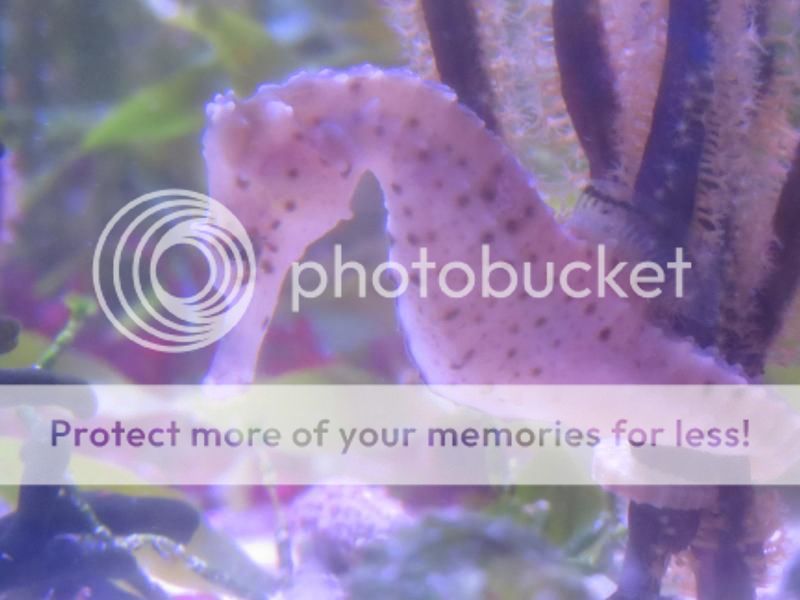
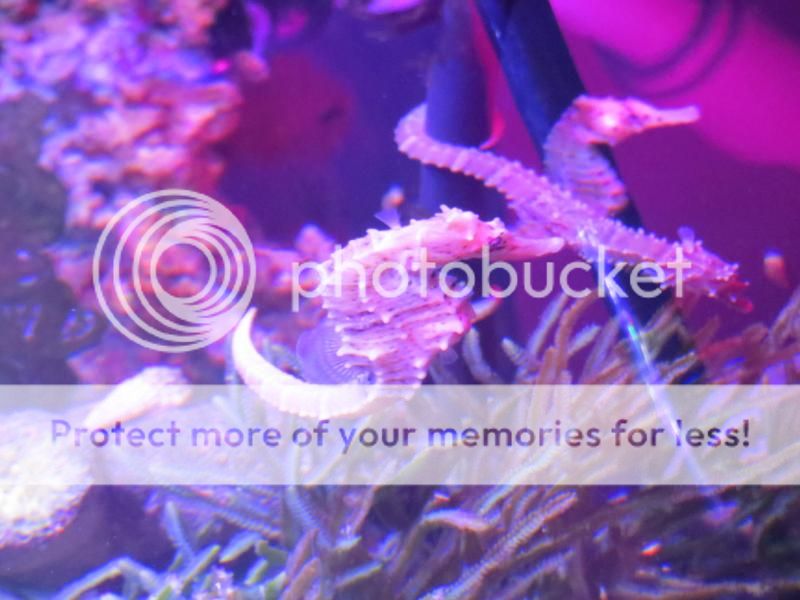
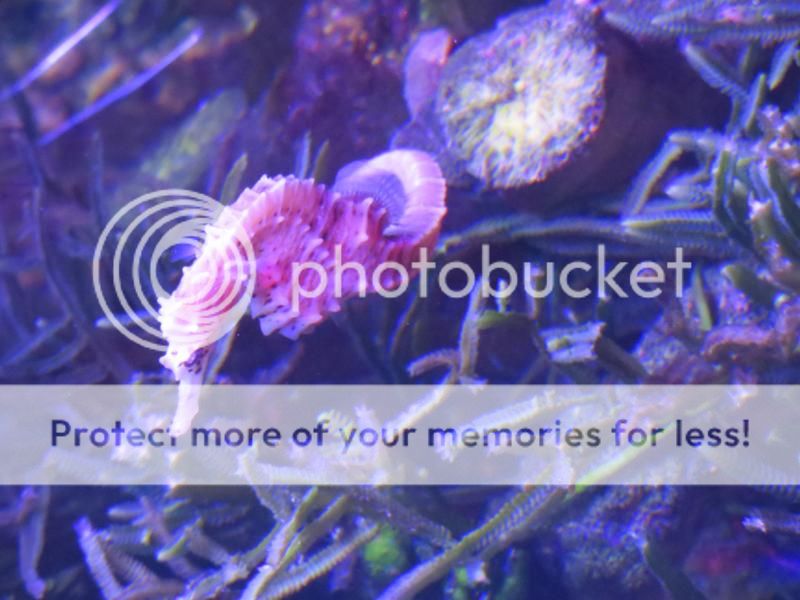
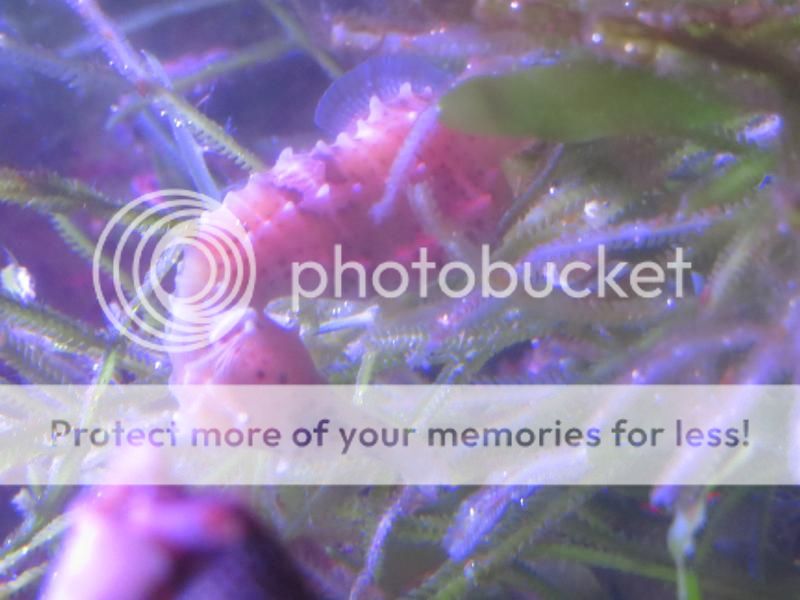
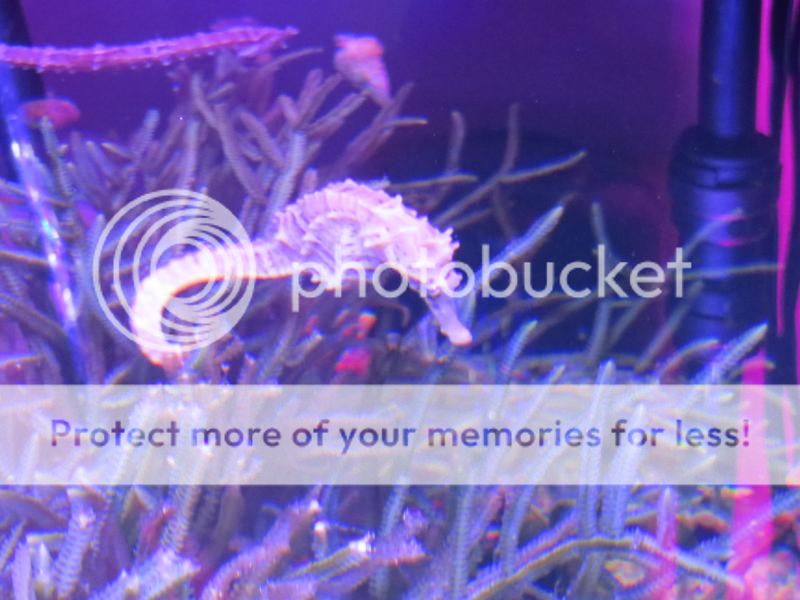
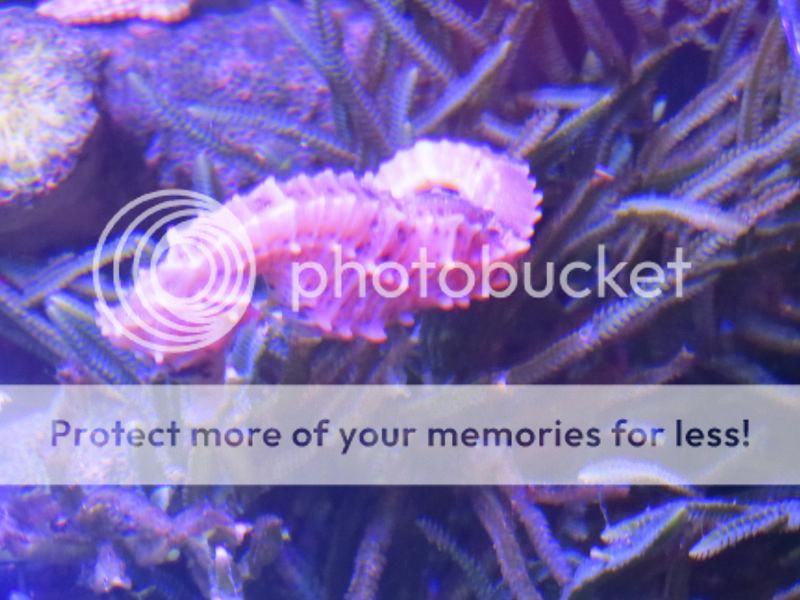

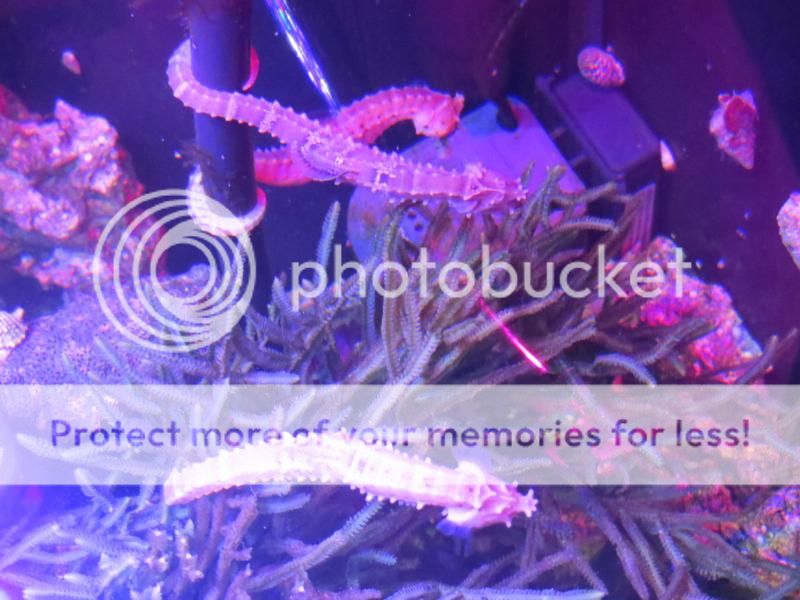
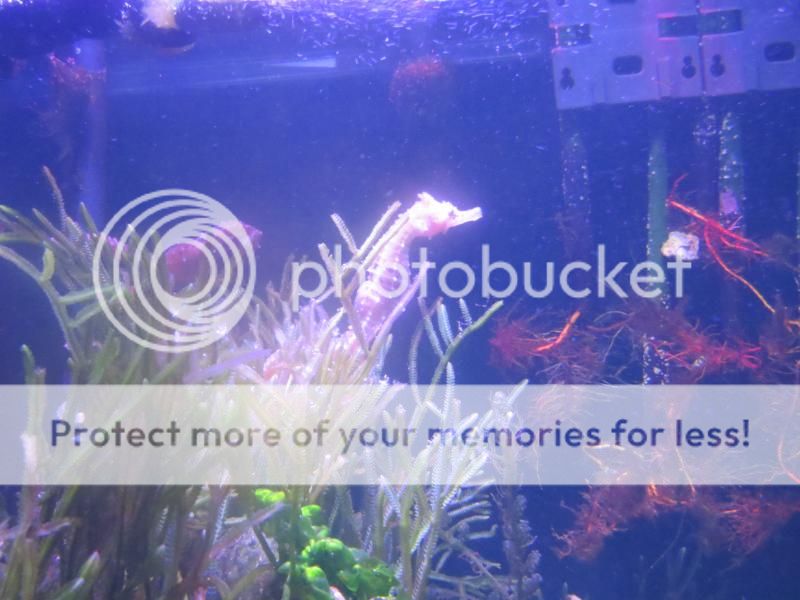
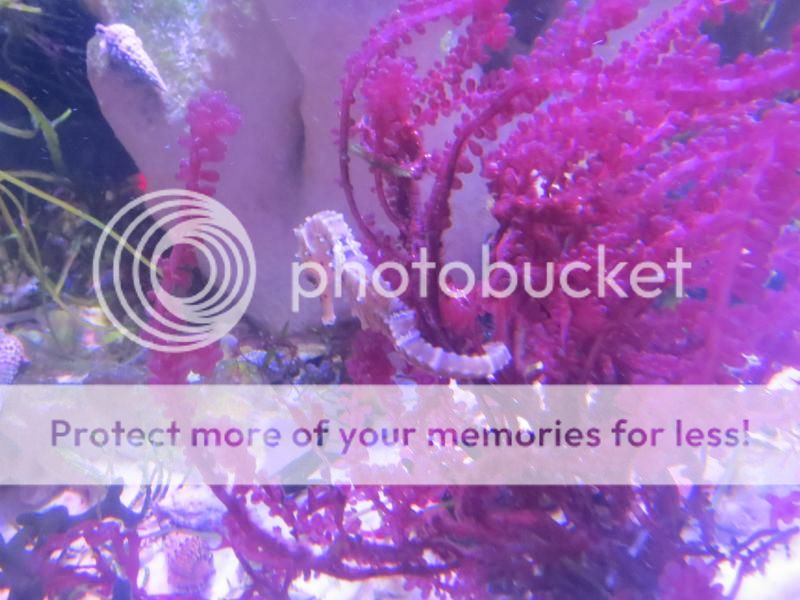
Photos:


OP
OP


OP
OP
Bad news, the pink streaked wrasse, looked pretty bad and died in QT  got him from Foster and Smith. I will try again next week.
got him from Foster and Smith. I will try again next week.
Last edited:
You're the third person I've heard from to get bad fish from Foster and Smith? Were they shipped from California? I'm suspecting there's something wrong with one of their facilities.... Seahorses look great btw, hope they start eating for you!
cubetankguy
its hip to be square
ive only ordered fish online from foster and smith... only had a sucsessful order once... I only buy fish locally now...
I could google, but I figure you know.
I've watched this thread, seems you are ultra gung ho on the quarantine. I think the seahorse tank is tied in with the entire system, but I could be wrong. So, here's the question: Sea horses, not carriers of disease that could impact your other fish? No Quarantine? I don't think you Qt'd the macro algae either. I believe you are QTing everything else that goes in the tank. I'm just ignorantly asking if there is a difference, or if you just felt you had to take the risk.
Also, I think I recall something about slowing water through the seahorse tank to keep it cooler, or something to that effect, how is that working out? I assume you have been monitoring the statistics.
Yours is the most impressive build going right now...well, except for maybe marty, I mean, he did build a whole house for his tank, which he doesn't even own yet....unless I missed it. You just built a shed
I've watched this thread, seems you are ultra gung ho on the quarantine. I think the seahorse tank is tied in with the entire system, but I could be wrong. So, here's the question: Sea horses, not carriers of disease that could impact your other fish? No Quarantine? I don't think you Qt'd the macro algae either. I believe you are QTing everything else that goes in the tank. I'm just ignorantly asking if there is a difference, or if you just felt you had to take the risk.
Also, I think I recall something about slowing water through the seahorse tank to keep it cooler, or something to that effect, how is that working out? I assume you have been monitoring the statistics.
Yours is the most impressive build going right now...well, except for maybe marty, I mean, he did build a whole house for his tank, which he doesn't even own yet....unless I missed it. You just built a shed
OP
OP
I think the reverse is more the problem with seahorses, fish carrying disease that impact them. vibrios is a problem with seahorses but it cannot live below 74, the seahorse tank is set at 72.8 so even if they had it it would die in that tank. before it spread? I don't know, I guess we will all find out soon enough. I do know that seahorsesource.com is an excellent source for these animals and would be willing to bet they came in clean.
Marty asked me about the macro, I wish now I would have at least dipped it. I was thinking in terms of pests that could have impacted fish or coral and since the system was going to without either for 3 months I thought any fish/coral pest would just starve. I did not think about red flatworms. That was a mistake. Of course they could have come in on a snail just as easy I guess. but my QT runs cooper so not much I could do there.
To hold the temp in the tank I run a closed loop off the tank through a 1/4hp chiller. Looking at it right now it says 72.8 and the old finnex digital controller agrees so I guess it's right.
I am jealous of Marty's build I am tucked away in the corner next to the laundry room in a room not much bigger than a walk in closet. If I could have built my house with a tank in mind lol I would have.
Marty asked me about the macro, I wish now I would have at least dipped it. I was thinking in terms of pests that could have impacted fish or coral and since the system was going to without either for 3 months I thought any fish/coral pest would just starve. I did not think about red flatworms. That was a mistake. Of course they could have come in on a snail just as easy I guess. but my QT runs cooper so not much I could do there.
To hold the temp in the tank I run a closed loop off the tank through a 1/4hp chiller. Looking at it right now it says 72.8 and the old finnex digital controller agrees so I guess it's right.
I am jealous of Marty's build
I am tucked away in the corner next to the laundry room in a room not much bigger than a walk in closet. If I could have built my house with a tank in mind lol I would have.
Last edited:

Kepler
Former: Koletang
General, is that your own write up?
Kepler
Former: Koletang
one should put a sticky of that wrasse list in the fish forum. It is very informative and helpful to those of us wanting to mix types of wrasses
+1.
It would also be good if we could add to it with other families of fish.
Heck no! I don't have that much time to do something this organized! Here is the link I got it from: http://www.3reef.com/forums/tropical-fish/all-about-reef-safe-wrasses-122261.html
Sorry I should have mentioned that, plagiarism is not cool, lol!
Sorry I should have mentioned that, plagiarism is not cool, lol!
cubetankguy
its hip to be square
how is my meeting supposed to follow this..
OP
OP
After seeing your tank today I do not think you have anything to worry about. I thought it looked awesome.
Users who are viewing this thread
Total: 2 (members: 0, guests: 2)